
Is Your Home Ready for an EV? A Guide to Future-Proofing Your Electrical System for Charging
The shift to electric vehicles is accelerating across the PNW, and for good reason. From the quiet hum of a drive along The Sound to the satisfaction of embracing green living, owning an EV is an exciting step. But before you bring your new car home, there's a crucial question to answer: is your home's electrical system prepared for the demand? Many homeowners, especially those in Seattle's beautiful older homes, find that installing an EV charger isn't as simple as plugging in a new appliance. Planning ahead is key to ensuring a safe, efficient, and cost-effective charging setup. This guide will walk you through what you need to know to future-proof your home, making your transition to electric driving seamless.
Understanding the Electrical Demands of an EV Charger
While you can technically plug an EV into a standard 120-volt wall outlet (Level 1 charging), most owners find it impractically slow, taking days to fully charge a battery. That's why the vast majority opt for a Level 2 charger, which uses a 240-volt circuit—the same kind used by an electric stove or clothes dryer.
A Level 2 charger is a significant electrical load, typically requiring a dedicated circuit of 40 to 60 amps. For perspective, many older homes were built with a total electrical service of only 100 amps. When you add up your existing appliances—HVAC system, water heater, oven, and so on—adding a powerful EV charger can easily push your system beyond its safe capacity.
This is a common challenge in many Seattle neighborhoods with charming, historic houses. These homes were simply not designed for today's high-powered electrical needs. An overloaded system can lead to frequently tripped breakers, damage to your vehicle's charging equipment, and in the worst-case scenario, a serious fire hazard. The first step is always to assess what you have before adding something new.
How to Assess Your Home's Electrical Capacity
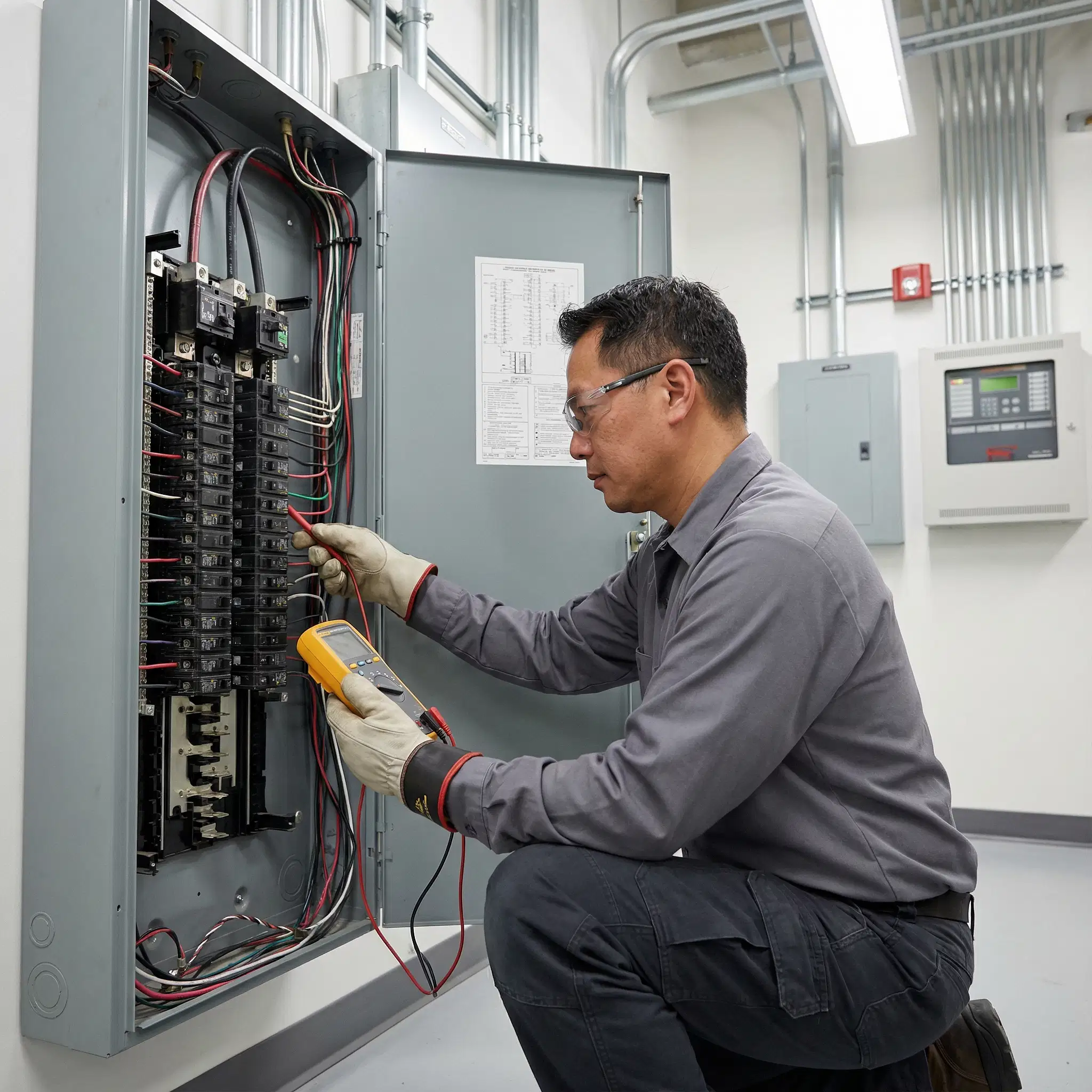
So, how do you know if your home can handle the extra load? The answer lies in your electrical panel and a process called a "load calculation." This is a detailed assessment that determines the total electrical demand of your home to ensure your panel and service have enough capacity to safely add a new, high-draw circuit for your EV charger.
A qualified electrician can perform this calculation by evaluating:
- Your Main Service Panel's Amperage: Look at the main breaker at the top of your panel. It will typically be labeled 100A, 150A, or 200A. While a 200-amp service often has enough room, a 100-amp panel will almost certainly require an upgrade.
- Existing Circuits: How many open slots are available in your panel? Are your current circuits logically distributed and not overloaded?
- Total Household Load: The calculation considers the square footage of your home and all major electrical appliances to determine your peak energy usage.
Starting with a professional electrical safety inspection is the most reliable way to get a clear picture of your system's health and capacity. If the assessment shows you don't have enough power to spare, a panel upgrade is often the necessary solution. This not only makes room for your EV charger but also enhances the safety and reliability of your entire home's electrical system.
Planning for Tomorrow: Beyond Just One EV
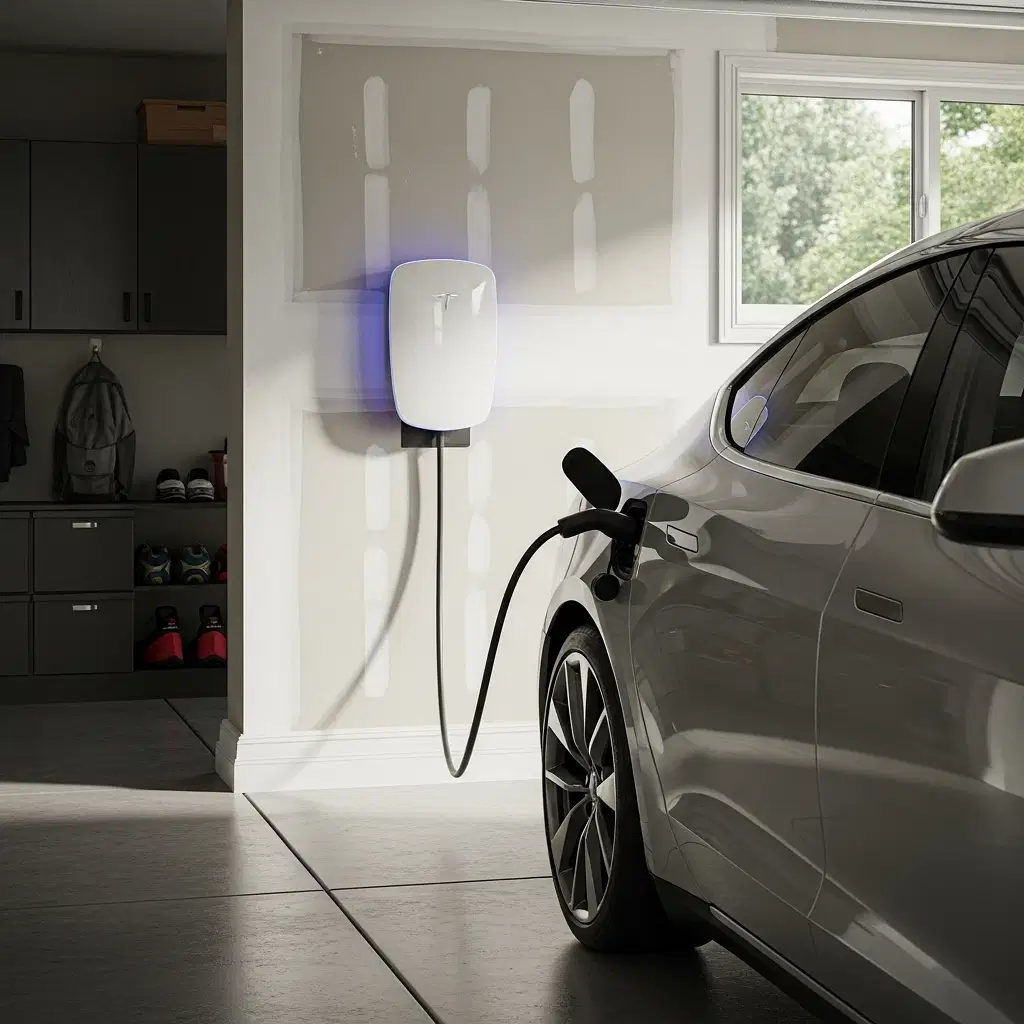
Future-proofing isn't just about meeting today's needs; it's about anticipating tomorrow's. The trend toward home electrification is growing. In a few years, you might add a second EV, switch to an electric heat pump, install an induction cooktop, or integrate more smart home technology. Each of these additions increases your home's electrical demand.
At Lavender Electric, we believe in planning for the future. When we design a system, we don't just solve the immediate need for an EV charger. We help you think ahead:
- Sizing for the Future: If a panel upgrade is needed, we often recommend installing a 200-amp panel even if 150 amps would suffice today. The marginal cost difference is small compared to needing another upgrade down the line.
- Smart Energy Management: Consider installing a whole-home energy monitor. These devices give you real-time data on your energy consumption, helping you manage loads and avoid peak-hour utility rates.
- Strategic Installation: We can help you plan for future additions by running conduit or setting up a subpanel that makes it easier and more cost-effective to add circuits later.
By taking a strategic approach from the start, you ensure your electrical system is a robust foundation that can support your evolving lifestyle, not a bottleneck that limits your options. This thoughtful planning prevents the need for expensive and disruptive rework in the future.
Your Partner for a Safe and Smart EV Transition
Bringing an electric vehicle home is a major step toward a more sustainable future. Ensuring your home is ready is just as important. It starts with understanding your current electrical capacity, identifying necessary upgrades for safety and compliance, and planning a system that will serve you well for years to come.
Don't leave the safety and efficiency of your charging setup to chance. If you're considering an EV or want to prepare your Seattle-area home for the future of energy, we're here to help. The team at Lavender Electric provides expert EV charger installations, panel upgrades, and comprehensive safety inspections. Contact us today to schedule a consultation and ensure your home is ready for the road ahead.