The Hidden Dangers of Knob and Tube Wiring in Older Homes
There is a distinct charm to living in the historic neighborhoods around Seattle. From classic Craftsman bungalows to stately Queen Anne builds, these properties offer timeless character that modern construction simply cannot replicate. However, beneath the beautiful lath and plaster walls of homes built before the 1950s, there often lies an outdated and potentially hazardous electrical system: knob and tube wiring.
While this early method of wiring was state-of-the-art a century ago, it was never designed to handle the electrical demands of today's technology-driven households. If you live in an older home, understanding the risks associated with this vintage wiring is essential for protecting your property and your family. In this guide, we will explore what makes this old system dangerous, how to identify it, and why updating your electrical infrastructure is a critical step for modern living.
What is Knob and Tube Wiring and Is It Active?
Knob and tube wiring gets its name from the ceramic knobs used to support the wires and the ceramic tubes that protect the wires as they pass through wooden floor joists and wall studs. Unlike modern wiring, which bundles the hot, neutral, and ground wires inside a single protective sheath, this older method runs the hot and neutral wires completely separate from one another.
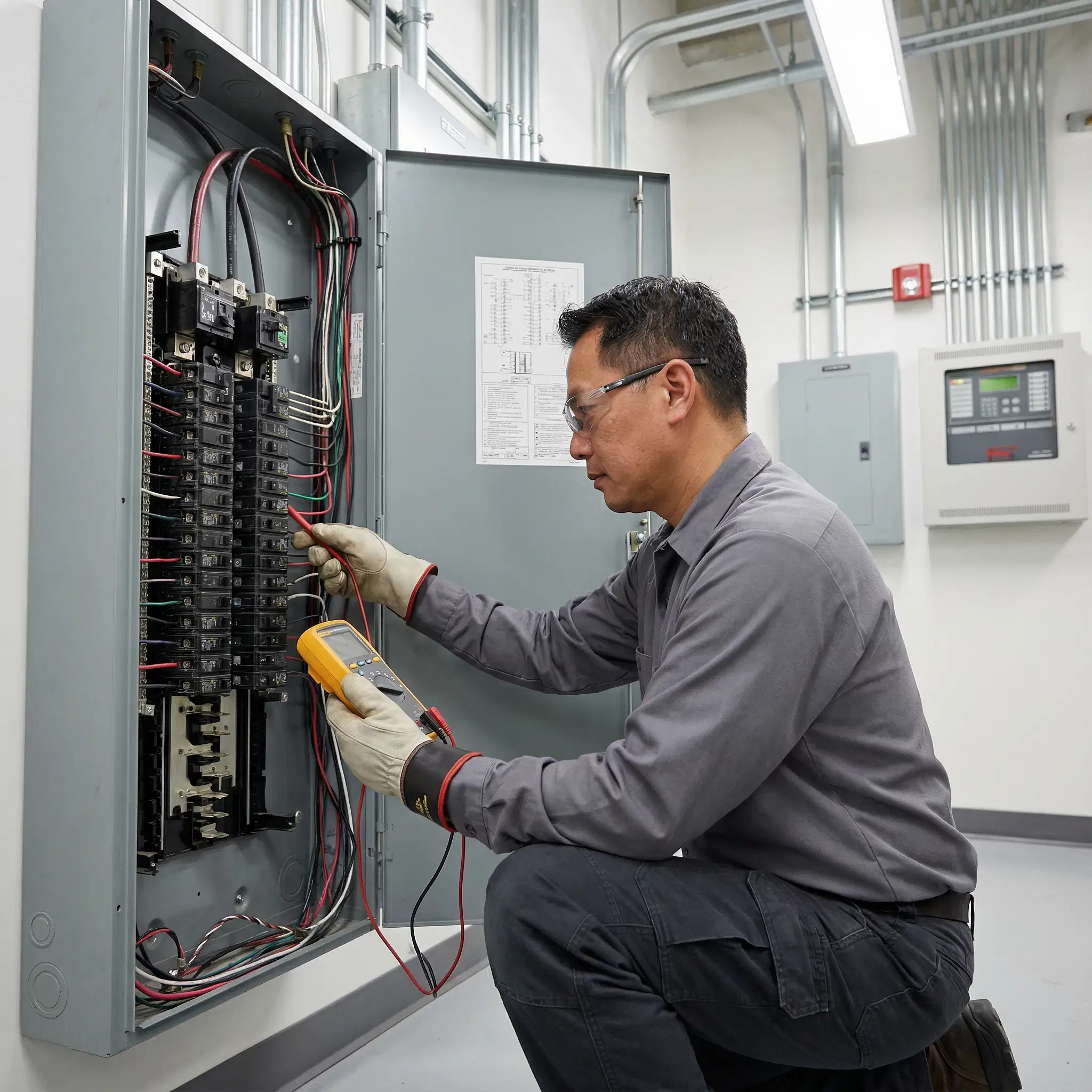
Many homeowners wonder how to tell if knob and tube wiring is active in their house. The most common places to spot it are in unfinished basements, attics, or crawlspaces. You might see the white ceramic spools nailed to the wood framing with thick, black, cloth-covered wire strung between them. To determine if the system is actually carrying a current, a professional needs to test the circuits. Because old wire insulation becomes extremely brittle over time, touching or moving these wires can cause the insulation to flake off, exposing live copper. For this reason, it is never safe to do your own DIY electrical work or testing on these older systems.
The Risks: Why This Vintage Wiring Fails Today
There are several reasons why this antiquated system poses a significant risk in the modern era. First and foremost is the complete lack of a ground wire. Modern three-prong outlets include a ground wire that gives excess electricity a safe path to the earth in the event of a fault. Without this, any surge or fault in a knob and tube system risks sending that electricity into your appliances, your home's building materials, or even a person.
Another major concern is the insulation used on the original wires. Made of rubber and cloth, this insulation degrades rapidly when exposed to heat, pests, or simple old age. When the wires are exposed, the risk of a fire increases dramatically. Furthermore, because these older systems were designed to dissipate heat into the open air, installing modern fiberglass insulation over them in an attic traps that heat, creating an immediate fire hazard.
It is important to recognize the signs of bad wiring in house environments so you can act quickly. If your circuit breakers keep tripping, if you notice a burning smell near outlets, if your lights flicker constantly, or if outlets feel warm to the touch, these are all red flags that your wiring is failing.
Insurance Headaches and Signs It Is Time to Upgrade
Beyond the physical dangers, keeping vintage wiring in your home can create significant financial and logistical hurdles. Understanding homeowners insurance knob and tube wiring requirements is a rude awakening for many buyers and current owners. The majority of insurance carriers view this old system as a severe liability. Many will outright refuse to issue a new policy on a home that has it, while others may require you to pay exorbitant premium rates or sign a waiver agreeing to replace the system within a strict timeframe.
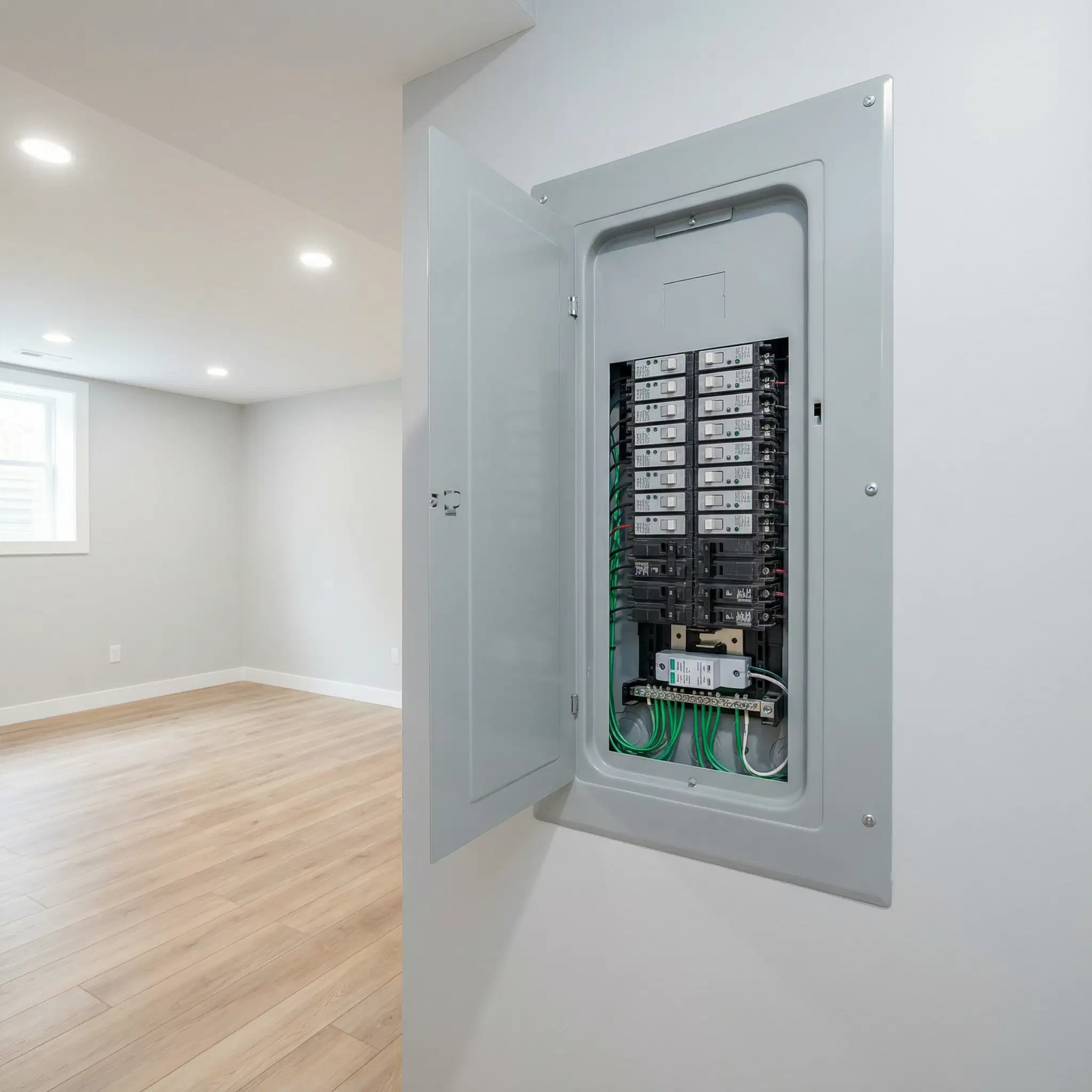
There are clear signs knob and tube wiring needs replacement. If your home still relies on a fused electrical box rather than modern circuit breakers, or if you find yourself heavily relying on extension cords and power strips because your rooms only have one or two two-prong outlets, your system is vastly overloaded. Today's homes require robust power for everything from smart home automation and high-efficiency HVAC systems to home offices and entertainment centers.
Upgrading your home is not just about removing the old wire; it is about building a foundation for the future. As residents across the PNW shift toward sustainable energy, older systems simply cannot support modern upgrades. Transitioning to modern standards often requires comprehensive Residential Panel & Subpanel Upgrades, Service Upgrades & Rewiring to safely distribute power and accommodate the increased load of contemporary living.
Preserving Charm While Ensuring Safety
At Lavender Electric LLC, we see every upgrade in an older home as part restoration and part modernization. We know how much you value the architectural integrity of your property. Our approach is meticulously designed to bring your electrical system up to strict National Electrical Code (NEC) standards while preserving what makes your home timeless.
We handle the entire process from start to finish. This begins with an on-site evaluation where we assess the condition of your existing service, grounding system, and load requirements. We provide transparent, flat-rate pricing so you know exactly what the project will cost, with no hidden fees. We also handle all the complex permitting with local jurisdictions and coordinate any necessary utility disconnects. Once the work is complete, the system is rigorously tested, inspected, and backed by our 1-year workmanship warranty and top-tier materials from trusted brands like Siemens and Square D.
Living in a historic home shouldn't mean compromising on peace of mind. If you suspect your property might be running on outdated electrical infrastructure, it is time to bring in a licensed professional. Learn more about our specialized Residential Knob and Tube Replacement services, and reach out to Lavender Electric LLC today to schedule a comprehensive safety inspection.