
Why Do My Circuit Breakers Keep Tripping? A Homeowner's Guide
It is a familiar and frustrating scenario: you are cooking dinner, running a space heater to chase away the evening chill, and suddenly the room goes completely dark. A sudden loss of power is never convenient, especially during the darker, rainy months around the Sound. While your first instinct might be annoyance, a tripped circuit breaker is actually doing exactly what it was designed to do. It is acting as a vital safety mechanism, protecting your property from potential electrical fires and severe wire damage.
Every electrical panel is designed to manage a specific amount of electricity safely. When something disrupts that safe flow, the breaker automatically cuts the power. However, if you find yourself constantly walking out to the garage or down to the basement to flip that switch back on, your electrical system is trying to tell you something important. Repeated tripping is not just a minor nuisance; it is a clear warning sign of an underlying issue that requires attention.
Understanding why these interruptions happen is the first step in maintaining a safe, efficient home. Whether you live in a brand-new build or a historic property that has stood for a century, your electrical system faces heavy demands from modern technology, heating systems, and smart appliances. By learning how to identify the root causes of these power disruptions, you can better determine when a simple adjustment is enough, and when it is time to bring in professional help to keep your home safe.
Recognizing the Signs of an Overloaded Electrical Circuit
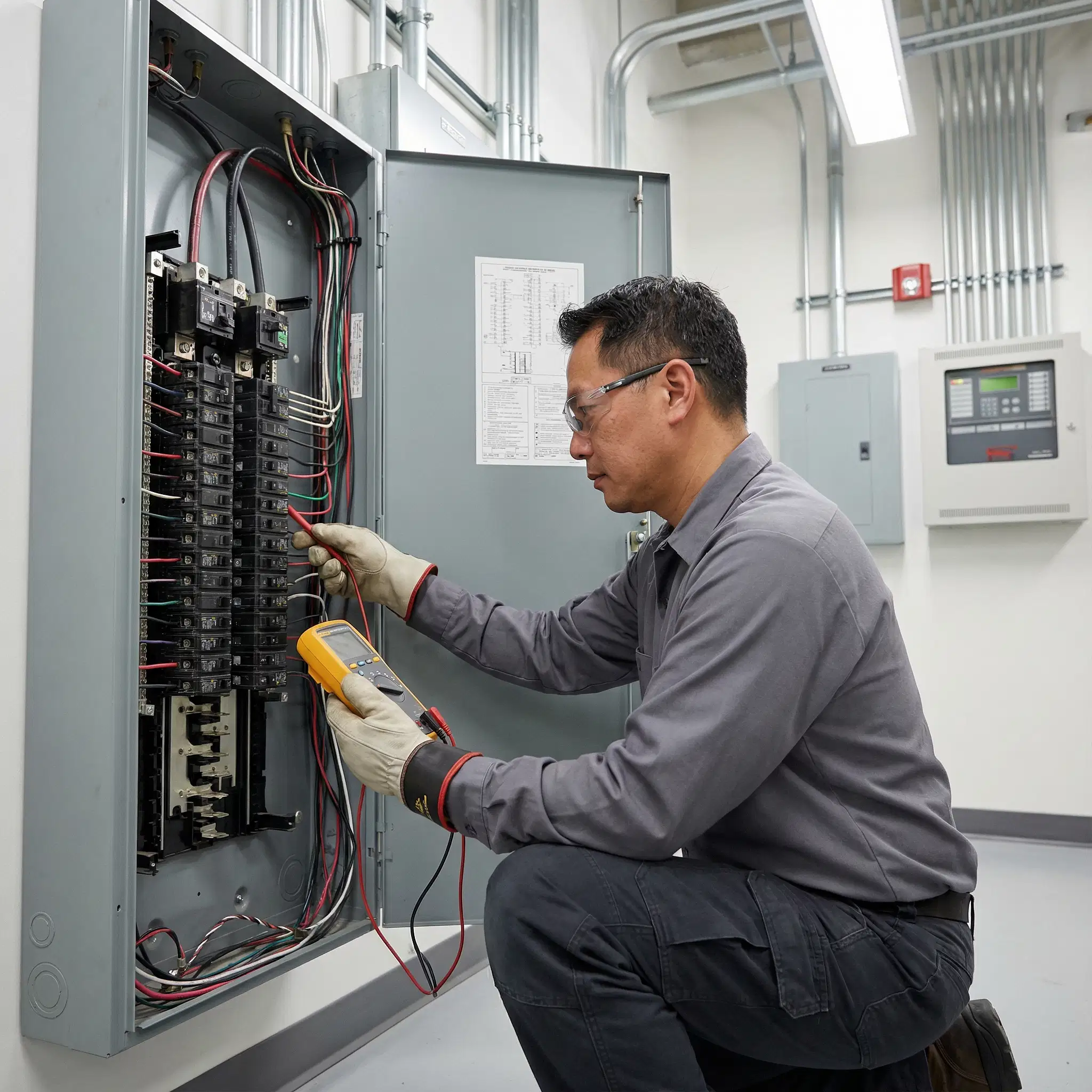
The single most frequent reason a breaker cuts power is an overloaded electrical circuit. This happens when you attempt to draw more electrical current than the circuit was built to safely handle. For instance, if you have a 15-amp circuit and you plug in a heavy-duty microwave, a high-wattage hair dryer, and a portable heater all on the same line, the wiring will begin to heat up. Before those wires can melt or spark, the breaker trips to prevent a catastrophe.
There are several common signs of an overloaded electrical circuit that homeowners should watch for. You might notice that your lights dim or flicker when a large appliance kicks on, or you might hear a faint buzzing sound coming from your wall outlets. You may also find that outlet covers feel unusually warm to the touch. These are all indicators that the demand you are placing on the system exceeds its safe capacity.
This issue is particularly common today. The rapid adoption of smart home automation, residential EV charging infrastructure, and heavy-duty kitchen appliances means we are asking our homes to handle more electrical load than ever before. If you are upgrading your home with modern energy solutions, it is crucial that the underlying infrastructure can support it. We often find that homeowners try to manage this by moving appliances to different outlets, but without clear electrical panel labeling and circuit identification, it is easy to accidentally plug devices back into the exact same overloaded line.
Identifying Ground Faults vs Short Circuits
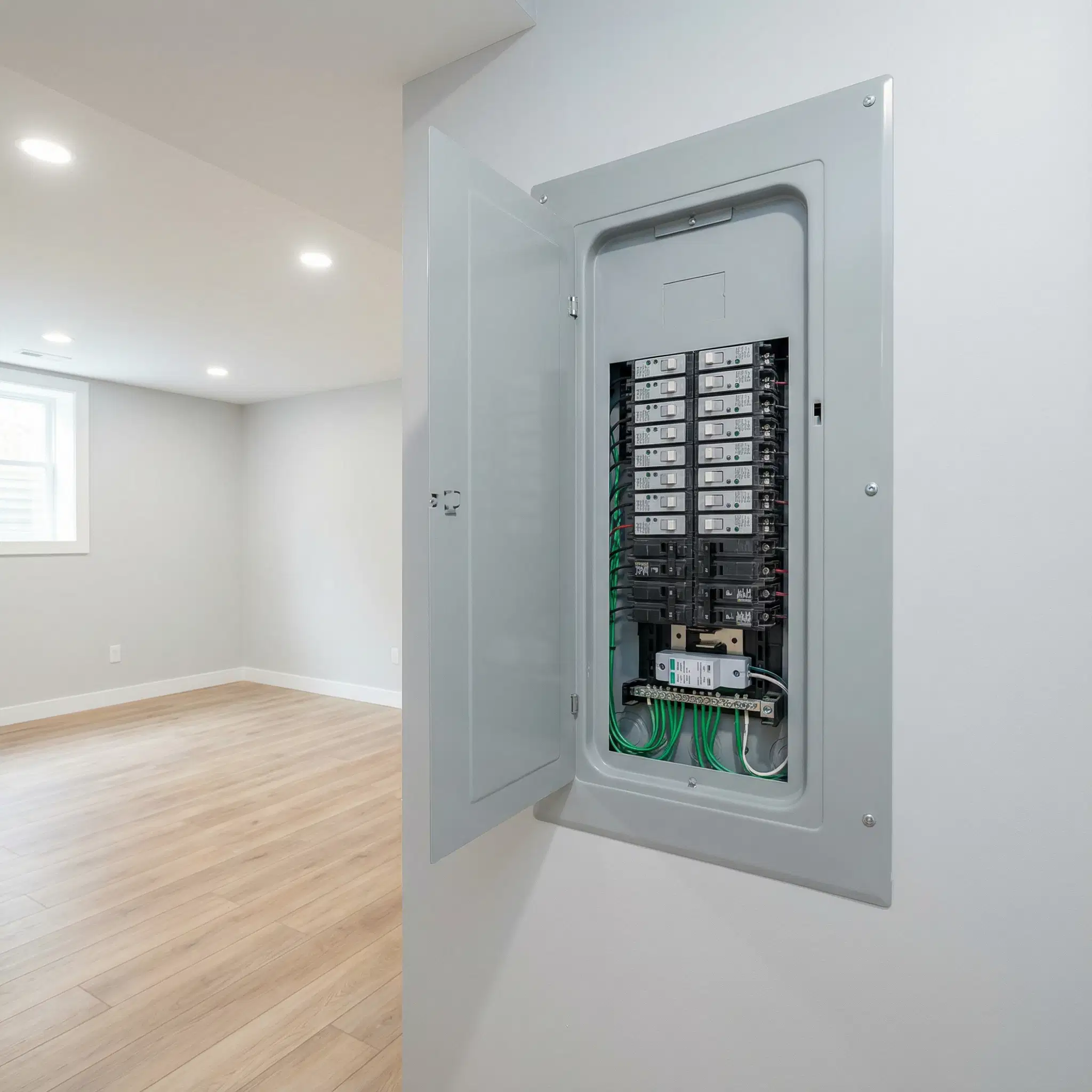
While overloads are incredibly common, other wiring issues can be much more dangerous and require immediate attention. When you are troubleshooting a circuit breaker that immediately trips the second you try to reset it, you are likely dealing with either a short circuit or a ground fault.
A short circuit occurs when a hot wire comes into direct contact with a neutral wire. This creates a path of least resistance, causing a massive and sudden surge of electricity to flow through the circuit. The breaker detects this dangerous surge and instantly cuts the power. Short circuits are often accompanied by a popping sound, visible sparks, or a faint smell of burning plastic near the affected outlet.
Identifying ground faults vs short circuits can sometimes be tricky for the average homeowner, as the immediate symptom—a flipped breaker—is the same. A ground fault specifically happens when a hot wire touches a grounding wire, or the side of a metal outlet box, or even wood framing. This is particularly common in areas where moisture is present, which is why kitchens, bathrooms, and outdoor spaces require specialized GFCI (Ground Fault Circuit Interrupter) outlets to monitor these specific imbalances.
One of the more perplexing situations for homeowners is wondering why a breaker trips with nothing plugged in at all. If you have unplugged every device on the line and the switch still refuses to stay on, the problem is not your appliances. You are almost certainly dealing with degraded wire insulation behind your walls, a loose connection in an outlet receptacle, or a faulty breaker switch that has simply worn out over time. In these scenarios, the issue is structural, and resetting the breaker repeatedly can cause further damage to the panel.
Preserving Your Home While Upgrading for Safety
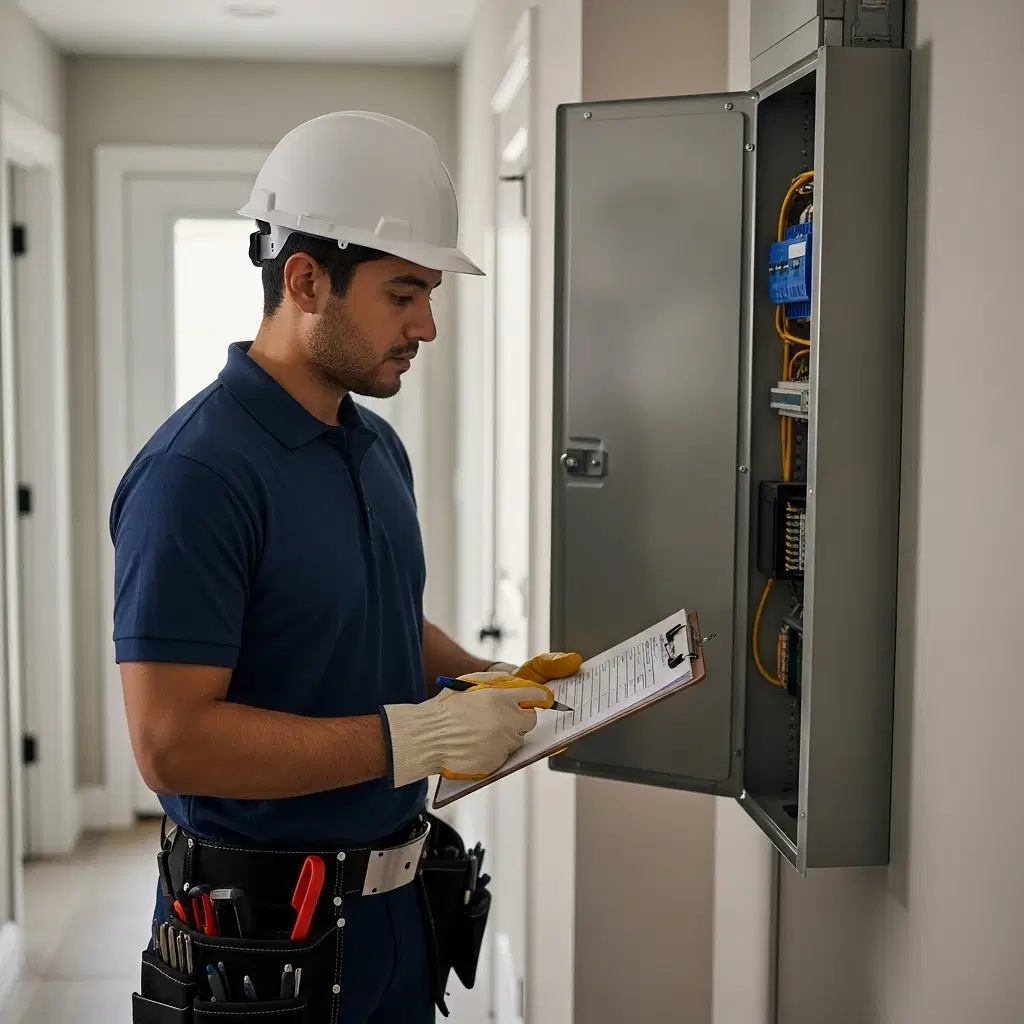
Many neighborhoods in our region feature beautiful older homes that carry a unique historic charm. However, preserving that charm shouldn't mean compromising on your family's safety. At Lavender Electric LLC, we see every electrical upgrade in an older property as part restoration and part modernization. We can bring your electrical system up to strict current codes while respecting what makes your house timeless.
When a breaker keeps tripping, it is vital to bring in a licensed professional to diagnose the root cause rather than relying on DIY fixes. Electrical work involves significant risks, and ensuring long-term reliability requires precise craftsmanship. We approach these problems by conducting comprehensive evaluations to determine if your panel needs a simple component replacement or a larger capacity upgrade to handle future additions like an EV charger seamlessly.
We also know that unexpected electrical repairs can be stressful. That is why we believe in completely transparent, flat-rate pricing. After visiting your home to assess the situation, we provide a detailed quote that covers labor, materials, and any necessary permitting up front, ensuring there are no hidden fees. We back all of our work with a one-year workmanship warranty and utilize highly reliable, premium materials from trusted manufacturers.
If you are tired of dealing with constant power interruptions, or if you have noticed any warning signs of faulty wiring, it is time to get a professional assessment. Our team specializes in comprehensive residential electrical maintenance, repairs, and troubleshooting designed to keep your property safe and fully functional. Reach out to Lavender Electric LLC today, and let us help you build a safe, code-compliant electrical system that will comfortably power your Eastside home for decades to come.