Commercial Emergency Power and Continuity Planning
When winter storms roll through the Pacific Northwest, heavy rainfall and high winds often lead to unpredictable grid instability. For local residents, a power outage is an inconvenience, but for businesses operating in Seattle, it can mean a devastating loss of revenue, compromised data, ruined inventory, and stalled operations. Preparing your commercial facility for unexpected outages is no longer just a luxury; it is a critical component of modern business continuity planning. Understanding how to properly equip your building with emergency backup power ensures that when the grid fails, your operations will remain seamless and secure.
The first step in any robust continuity plan is assessing your facility's specific power requirements during a critical failure. Not every business needs to power its entire operation during an outage, but identifying essential loads is absolutely vital. These essential loads typically include server rooms, emergency lighting, security systems, refrigeration units, and critical HVAC components. By pinpointing exactly what needs to stay on, business owners can implement customized commercial emergency backup power solutions that keep essential systems online without over-engineering the project or overspending. Whether you manage a bustling retail space, a tech-heavy office, or a complex industrial facility, having a meticulously tailored strategy mitigates risk and actively protects your bottom line against the unpredictable nature of regional weather events.
Choosing the Right Backup Power System
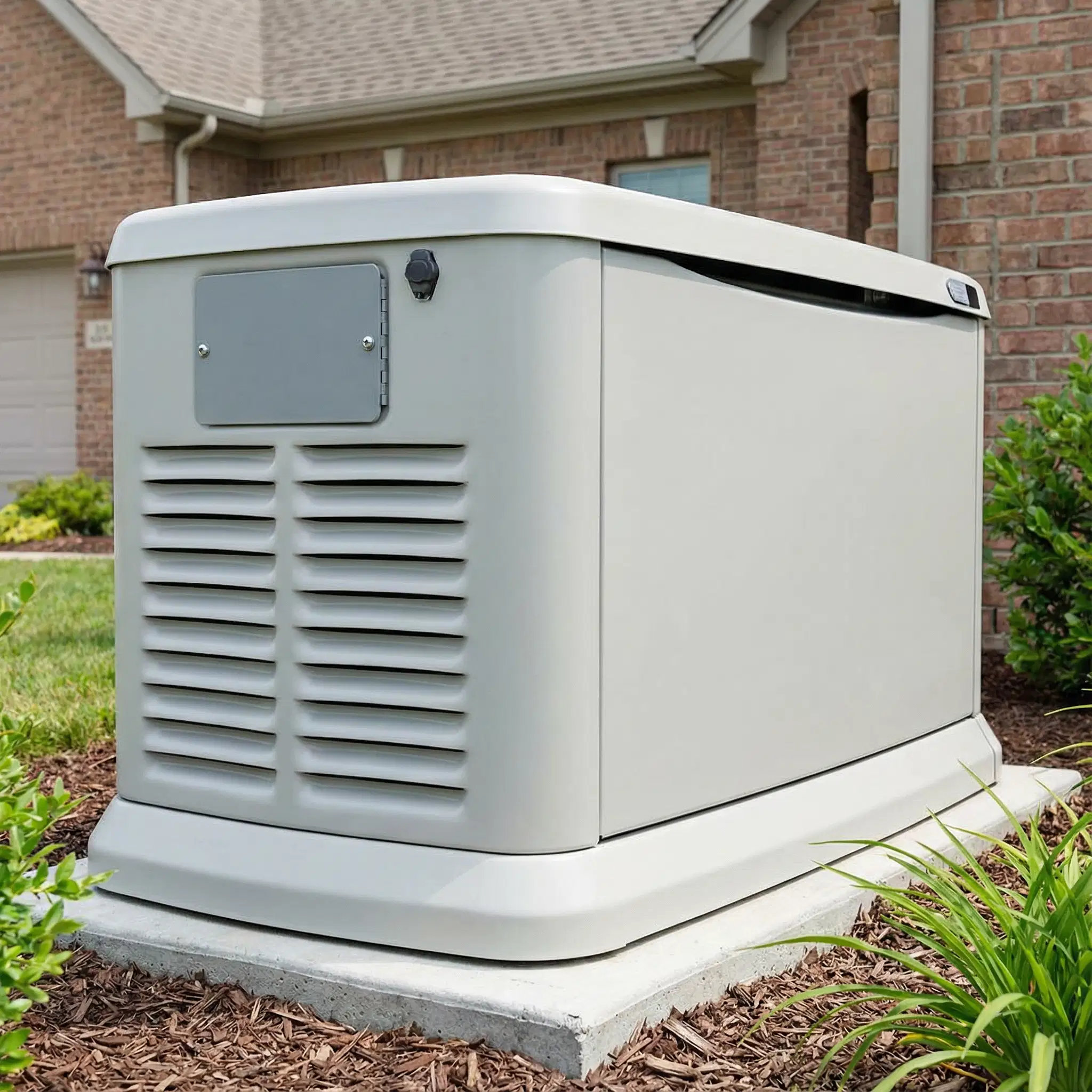
Modern commercial emergency power strategies typically involve a combination of standby generators and advanced battery storage systems. Standby generators serve as the traditional, heavy-duty backbone of business continuity. When the utility power drops, a specialized device immediately detects the failure, isolates your building from the grid to protect utility workers, and signals the generator to start. Once stable power is reached, the system automatically transfers your building's critical circuits to the generator. As energy resilience becomes an increasingly high priority across the commercial sector, many businesses are also integrating battery storage. These battery systems offer instantaneous power, bridging the critical gap before a generator kicks in—a feature that is especially vital for sensitive electronics, medical equipment, and data centers.
A frequent question we hear from business owners and property managers revolves around the complexities of local permitting and noise regulations when installing a backup generator. Washington State, and especially dense urban centers, have strict guidelines regarding emissions, physical placement, and noise decibel limits. Furthermore, navigating complex Department of Labor & Industries electrical permits and local energy codes can feel incredibly daunting for anyone outside the trade. Ensuring complete compliance requires meticulous planning, from submitting proper site plans to coordinating with city inspectors to verify that noise enclosures and exhaust systems meet municipal standards. Expert installation of generator transfer switches and battery backup systems guarantees that all local codes are strictly followed, preventing costly fines, mandatory delays, and potential safety hazards.
The Installation Process and Transparent Pricing
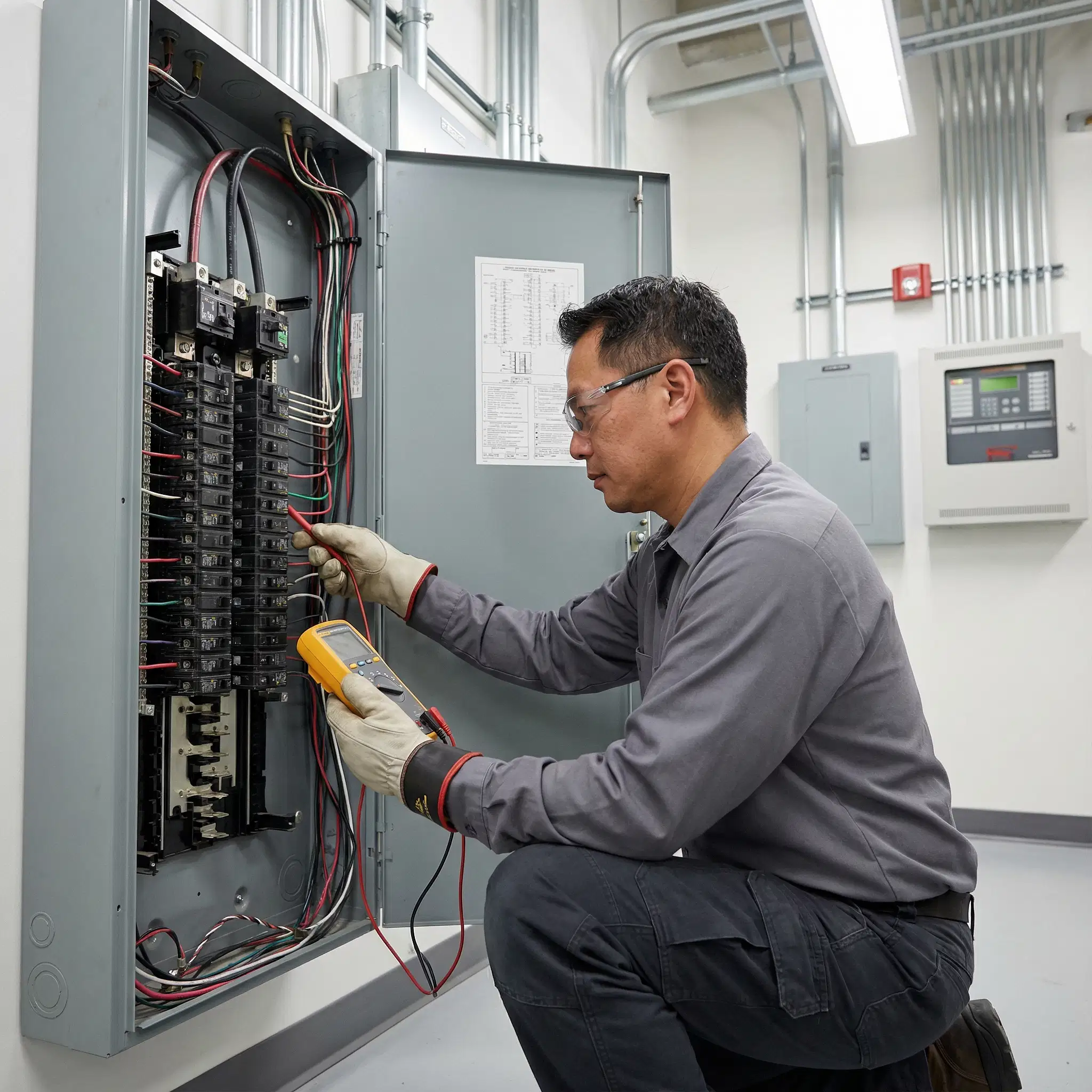
Executing a commercial backup power project requires seamless coordination and a deep understanding of infrastructure. The process begins with a comprehensive on-site evaluation to assess your existing electrical service, panel condition, grounding system, and overall load requirements. Following this initial assessment, a detailed, flat-rate quote is generated. This upfront pricing structure covers labor, top-tier materials, permitting, and inspection coordination, ensuring that property managers on The Hill or throughout the metro area aren't blindsided by hidden fees or unpredictable hourly rates. If any unforeseen issues arise, they are handled via a transparent change order with clear communication and written approval required before any additional work proceeds.
Once the plan is approved, our team handles all permitting with the local jurisdiction and coordinates any necessary utility disconnects entirely on your behalf. On the day of installation, licensed electricians remove outdated equipment if necessary, install the new service equipment and transfer switch, label all circuits clearly for future reference, and verify proper grounding and bonding. Finally, the entire system is rigorously tested and inspected by city officials. Only after the electrical inspector signs off is the system officially brought online, providing you with complete documentation for your facility's safety records.
Ensuring Long-Term Reliability and Maintenance
Reliability is paramount when dealing with emergency power; you need absolute certainty that your system will perform when the grid goes dark. Partnering with reputable manufacturers is a cornerstone of this reliability. We exclusively utilize trusted, industry-leading brands like Generac, Reliance, and Eaton for transfer switches, providing our clients with robust manufacturer warranties that range from ten years to a lifetime. Combined with a one-year workmanship warranty, businesses can rest assured that their investment is highly protected and built to endure.
However, once your system is installed, its longevity and constant state of readiness depend heavily on ongoing care. Even the most advanced emergency power setups can falter if left unmonitored for extended periods. Regular testing of the automatic transfer switch, inspecting battery health, and verifying generator fuel lines are essential operational steps. Investing in routine commercial preventative maintenance ensures that minor wear and tear is addressed proactively before it escalates into a catastrophic failure during a severe winter storm.
Preparing your business for the unexpected is an investment in its future stability and success. If your commercial property needs a robust, code-compliant continuity plan, Lavender Electric LLC is here to help. We prioritize strict safety standards, meticulous craftsmanship, and transparent communication from the initial quote all the way to the final inspection. Please visit our contact us page today to schedule a comprehensive evaluation and secure your operations against the next major power disruption in King County.